
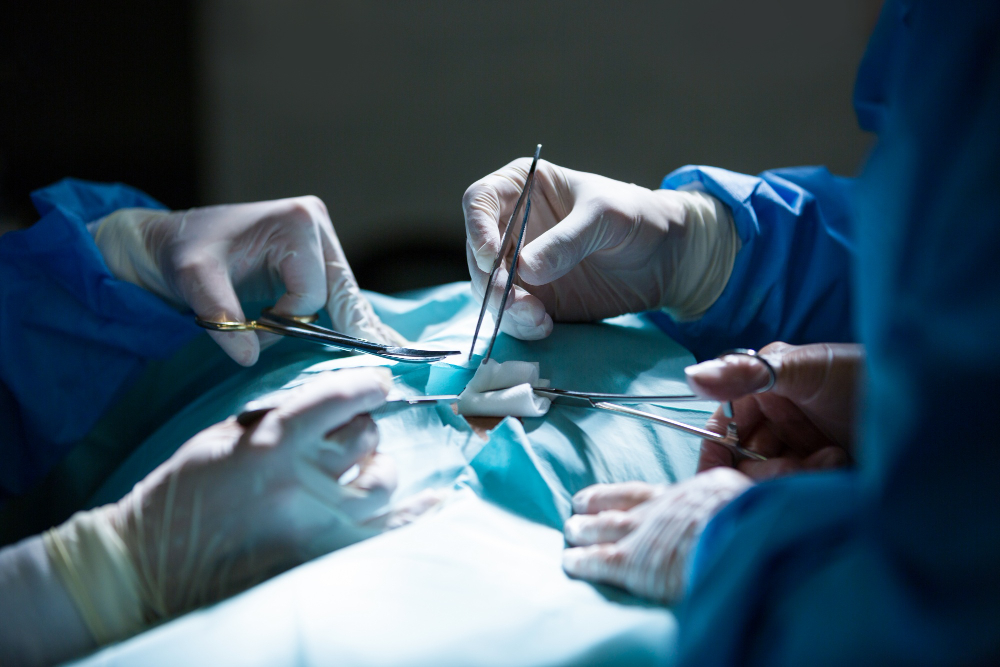
Gynaecological surgery can feel like a big step, but understanding what it involves makes it less daunting. At Dr Philip Zinn Inc, our Gynaecologist Claremont practice, surgery is offered for conditions such as fibroids, endometriosis, ovarian cysts, and prolapse. The aim is to address ongoing symptoms, improve comfort, and provide clear guidance about treatment, recovery, and long-term health.
Uterine abnormalities | female genital malformation
The uterus normally has a consistent shape, but structural abnormalities can sometimes result in complications. Female genital malformation occurs due to abnormal development of the Müllerian ducts during embryogenesis. Many women conceive without difficulty, but for others, complications such as pregnancy loss or infertility may arise.
Signs and symptoms
- Recurring pregnancy loss.
- Infertility.
- Absent menstrual cycle.
- Pre-term labour.
- Abnormal positioning of the fetus.
Acquired abnormalities
- Fibroids
- Uterine adhesions
- A short cervix
Treatment options
Hysteroscopic and laparoscopic surgery
Hysteroscopic resection, ablation, morcellation
Conservative treatment for menstrual symptoms, reducing uterine lining thickness or fibroid size.
Cysts | cystic ovarian mass
An ovarian cyst is a solid or fluid-filled sac that is attached to the ovary. Functional cysts typically resolve on their own. If not, they can be treated with hormonal contraceptives or surgery if need be. Depending on the severity of the masses, they can cause significant discomfort and pain in the pelvic and abdominal area. They can be caused by endometriosis and by benign tumours. Rarely are they cancerous. An ovarian cyst can unbalance the ovary, which can cause it to twist over, called a torsion. This is usually very painful and constant, but can be intermittent if the twisting is only partial.
Mild symptoms
- Abdominal swelling.
- Intermittent pelvic pain with sex
- Pain in the lower back and thighs.
More severe symptoms
- Severe pelvic pain
- Nausea and vomiting
- Hyperventilation
- Faintness and dizziness
- Fever
These may signal a ruptured cyst or a torsion, which requires immediate medical care. At our Gynaecologist Claremont practice, ovarian cysts are carefully assessed to prevent complications.
Fibroids
Fibroids are non-cancerous growths in the uterus that develop throughout a woman’s childbearing years. Signs like heavy menstrual bleeding along with pelvic pain get overlooked because they are deemed as a regular part of the menstrual cycle.
However, there is a limit to heavy and painful periods; unbearable pelvic period pains and prolonged heavy bleeding may need medical attention, preferably from a gynaecologist. If left untreated, fibroids can grow in size and number and take over your uterus, and the symptoms will only become worse and more painful.
Treatment options
Medical treatments
Hormonal and non-hormonal option medications
Myomectomy – laparoscopic or hysteroscopic
With the laparoscopic option, small incisions (‘key-holes’) are made in the lower abdomen. The fibroids are then surgically removed from the wall of the uterus with laparoscopic instruments. After that, the uterine muscle is sewn back together using several layers of stitches. When the fibroid is in the cavity of the uterus, then it can be treated hysteroscopically – via the vagina and cervix.
Uterine artery fibroid embolisation can be useful in some cases.
Prolapse, vaginal laxity and labial repair.
Uterine and vaginal prolapse.
Uterine and vaginal prolapse is the slipping down of the uterus or protrusion of the bladder and bowel into the vaginal canal. A prolapse involves a weakening of the tissue supports around the uterus and vagina, typically caused by the stretching of childbirth, which allows the surrounding organs to fall. Even when a hysterectomy has been performed, a vaginal vault prolapse may occur. The top of the vagina may start to protrude outside the body. Simply put, the vagina will be turning inside out. This can involve the top of the vagina, the front wall (bladder) or the back wall (rectum). It can cause a protrusion or aching discomfort. It can also affect bladder and bowel function.
Labial Repair.
Enlarged or misshapen labia can be a source of discomfort or distress. This may occur from the hormonal changes of adolescence, the effect of constant friction and recurring infection or due to damage during childbirth. Commonly, the labial size is genetic, and it may only be a problem if causing discomfort.
The Repair.
Thanks to technological advancements, you can have this corrected with limited invasion. A prolapse repair is performed in various ways through the vagina. The technique is determined by the type of prolapse. When there is incontinence of urine due to prolapse of the bladder and urethra, this can be fixed effectively with the use of a tension-free suburethral sling. Labial repair (labiaplasty) can reduce the size of the labia and correct asymmetry while preserving the natural edges and contour.
Signs and symptoms:
- Tissue that is protruding out from your vagina.
- The sensation of pulling inside the pelvic area.
- Urine incontinence.
- Bowel movement dysfunction.
- The sensation of looseness in vaginal tissue tone.
Severe Endometriosis
Severe endometriosis can affect the ovaries, fallopian tubes and the tissue lining your pelvis. It can also affect the bladder, bowels and other areas of the pelvis and abdomen. It will typically occur in 4 stages, ranging from mild pain to severe. The stages are diagnosed based on the location, size and depth of the endometriotic tissue. The specific criteria include the extent to which the tissue has spread, blockage of the fallopian tubes and pelvic adhesions.
It is important to make the diagnosis early to prevent progression to severe disease and to protect fertility. Even mild period pain which is getting worse over time can signal developing endometriosis.
Medical Treatment Options:
- Pain medication.
- A combination of estrogen and progestin.
- Dienogest
- Levonorgestrel intrauterine system
There are also several surgical procedures Dr Zinn performs to treat endometriosis, so if you are interested in pursuing surgical options, please do not hesitate to contact our offices.
Surgery is performed laparoscopically, and Dr Zinn is experienced in advanced endometriosis management techniques.
Protection of fertility in patients with endometriosis is an important part of management that Dr Zinn will discuss and advise on.
Hysterectomy
An hysterectomy is the removal of the womb or uterus. The reasons for this permanent solution are varied; there are scenarios where the preservation of the organ is life-threatening, such as cancer of the uterus or ovaries, which in this case may call for a hysterectomy. In most cases, all other options for combating uterus-related problems will have been exhausted.
Types of hysterectomies
- Total hysterectomy: The removal of the whole uterus and cervix. The fallopian tubes are also usually removed (salpingectomy), but the ovaries are usually preserved.
- Subtotal hysterectomy: Removal of the body of the uterus but not the cervix
- Radical hysterectomy: Removal of all the tissue plus the top of the vagina, usually performed for cancer patients by a gynaecological oncologist.
Surgical techniques
- Vaginal hysterectomy
- Total abdominal hysterectomy
- Laparoscopic total hysterectomy
- Laparoscopic subtotal hysterectomy
Dr Zinn has been performing laparoscopic hysterectomies for over 90% of hysterectomy procedures since 2010. Other hysterectomy techniques are used when necessary.
Sex after a hysterectomy
The surgical technique used for your hysterectomy will partially determine the healing time and the nature of your scars.. Your body should heal within 6 weeks, so the surgery will place your sex life on hold for that time, but it will not end it altogether. You can expect to have some light bleeding and discharge post-surgery. Once you are completely healed, things should go back to normal.
Book your consultation
If you are dealing with ongoing gynaecological problems, our Gynaecologist in Claremont can help you decide whether surgery is the right option.
Book your consultation with Dr Philip Zinn Inc. at Life Kingsbury Hospital in Claremont.